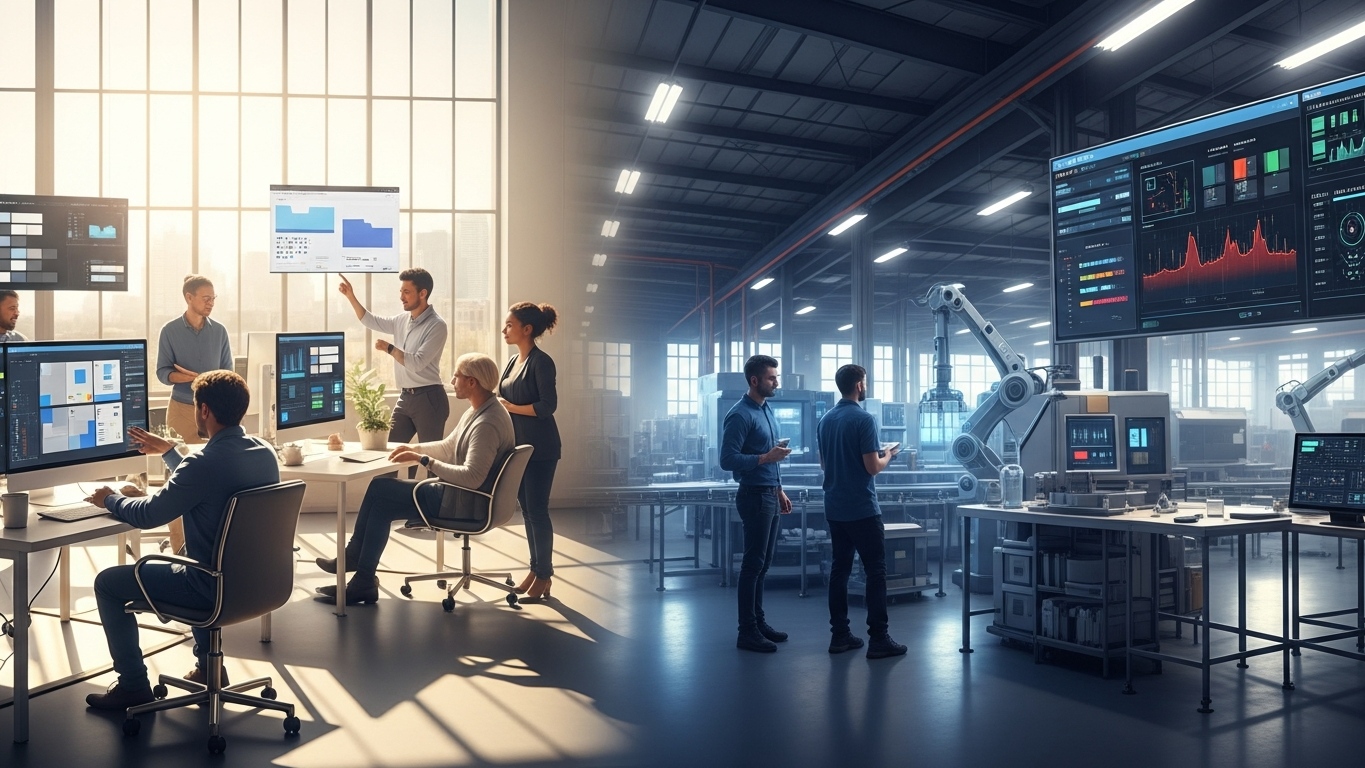
المشكلة الأساسية: تطبّق مؤسسات كثيرة افتراضات حوكمة ذكاء اصطناعي بأسلوب المكتب على بيئات صناعية قد تشكّل فيها المخرجاتُ قراراتٍ تشغيلية عالية العاقبة
الوعد الرئيسي: يحتاج المصنّعون إلى حوكمة أقوى لأن ذكاء المصنع الاصطناعي يؤثر في قرارات ذات تبعات حقيقية على التكلفة والاستقرار والتنفيذ
كثيرًا ما تُعامَل حوكمة الذكاء الاصطناعي كطبقة امتثال—شيء يباركه القسم القانوني، وتُنفّذه تقنية المعلومات، ويلتفّ حوله الجميع. في التصنيع، هذا التأطير ضيق جدًا. الحوكمة جزء من كيفية حماية جودة القرار حين تتقاطع التقلّبية وكثافة رأس المال والالتزامات تجاه العملاء كل يوم. ولا يحتاج ذكاء المصنع الاصطناعي إلى «الضغط على الزر الأخضر» ليكون مهمًّا. بل يمكنه تشكيل ما يلاحظه القادة، وكيف تُؤطَّر المشكلات، وأي الخيارات تبدو معقولة قبل أن يوقّع أحدهم أمر عمل.
لماذا يغيّر سياق المصنع المعيار
غالبًا ما يدعم ذكاء المكتب الاصطناعي إنتاجية منخفضة العاقبة: مسودات أسرع، وملخصات أنظف، وإعداد اجتماعات أسهل. أما ذكاء المصنع الاصطناعي فيمكنه التأثير في تغييرات العمليات، وافتراضات التكلفة، وترتيب الأولويات التشغيلية، واستجابات الإنتاج، ومنطق الاستثمار. وهذا يرفع المعيار فورًا—لا لأن أهل المصنع أكثر حذرًا، بل لأن نطاق الانفجار مختلف. فالسرد الخاطئ قد يصبح قرارًا إن وصل في اللحظة المناسبة بثقة كافية.
الحوكمة ليست مسألة إذن فحسب
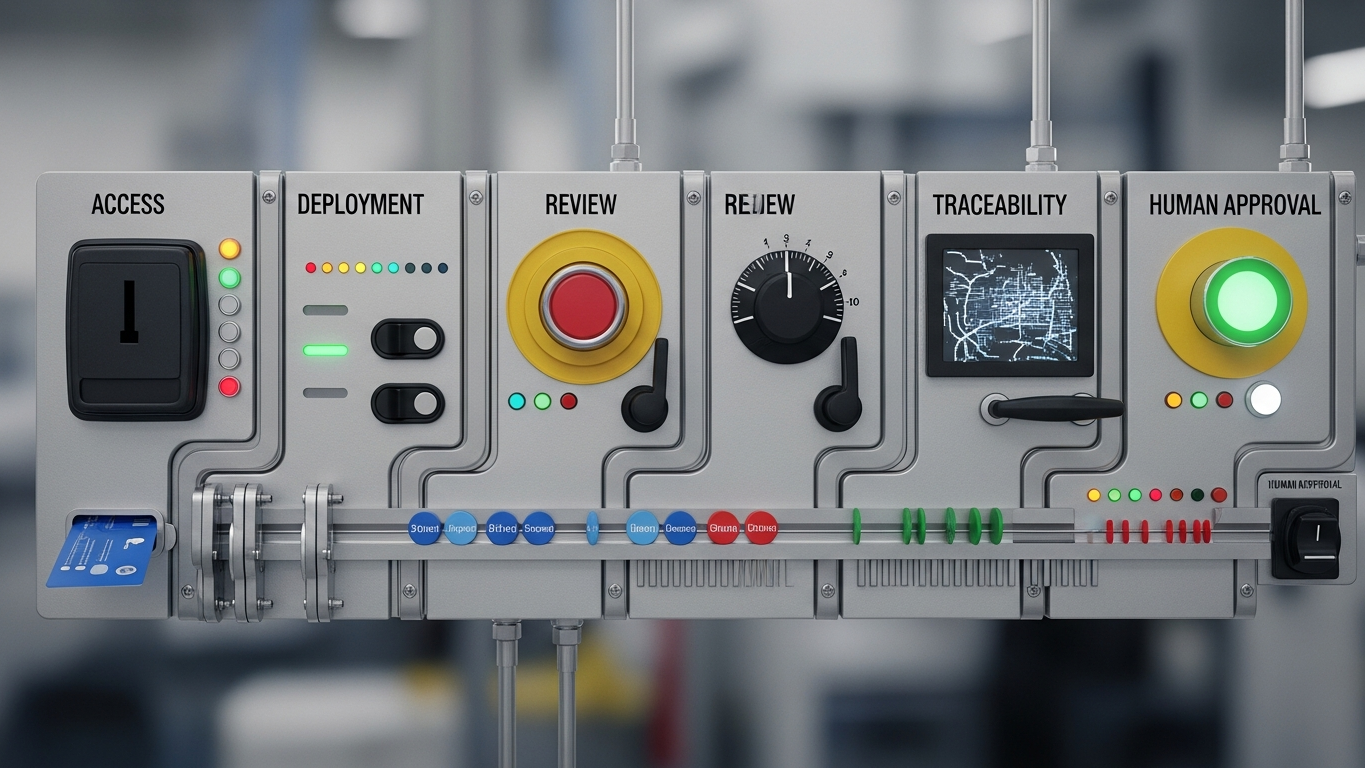
تعتقد فرق كثيرة أن الحوكمة تعني ضبط الوصول أو سياسة الاستخدام. وذلك مهم، لكنه لا يكفي. في بيئة صناعية، ينبغي أن تجيب الحوكمة أيضًا عن: من يراجع المخرجات، ومن يوافق على الإجراءات عالية الأثر، وكيف تُتتبّع القرارات، وما الذي يحدث حين يخطئ النموذج. هذه أسئلة حوكمة تشغيلية، لا أسئلة أمن فحسب. وهي الفرق بين «استخدمنا الذكاء الاصطناعي» و«نستطيع شرح كيف دعم الذكاء الاصطناعي الحكم».
لماذا تختلف المكاتب عن المصانع
إذا اقترح ذكاء المكتب الاصطناعي مسودة بريد ضعيفة، فالضرر محدود. أما إذا أثّر الذكاء الاصطناعي الصناعي في قرار حول الإنتاج أو التوقف أو النفقات الرأسمالية، فالضرر أكبر بكثير. قد لا ينفّذ النموذج القرار مباشرة، لكنه ما زال قادرًا على تشكيل مسار الحكم. ولهذا تحتاج الحوكمة إلى أن تكون أقوى حيث تقترب المخرجات من التنفيذ—حتى حين تظل النقرة الأخيرة بشرية.
الموافقة البشرية جزء من الحوكمة
ينبغي للمصنّعين الحذر من أي إعداد ذكاء اصطناعي يقلّص المراجعة البشرية مبكرًا جدًا. فالذكاء الاصطناعي الصناعي المفيد ينبغي أن يدعم الحكم، لا أن يتجاوزه. وهذا مهم بوجه خاص حين يكون سير العمل حرجًا تشغيليًا، أو تكون المدخلات حساسة، أو تؤثر المخرجات في التنفيذ أو الاستثمار. والموافقة ليست احتكاكًا لذاته؛ بل هي كيف تبقى المساءلة مرئية حين ترتفع المخاطر.
القابلية للتتبّع تهمّ أيضًا
إذا لم يستطع فريق شرح كيف أُنتجت توصية مدعومة بالذكاء الاصطناعي وكيف رُوجعت واستُخدمت، فالحوكمة ضعيفة. القابلية للتتبّع ليست بيروقراطية. إنها ما يجعل دعم القرار الصناعي قابلًا للدفاع حين يسأل عميل، أو حين تحقّق الجودة في انحراف، أو حين تحتاج القيادة إلى إعادة بناء أسبوع متوتر دون الاعتماد على الذاكرة.
ينبغي للمصنّعين توقّع أن تتضمن حوكمة الذكاء الاصطناعي: وصولًا مضبوطًا، وحدود نشر واضحة، وسياسة تدريب صريحة، وخطوات مراجعة للمخرجات المهمة، وقابلية للتدقيق والتتبّع، وموافقة بشرية حيث تكون العاقبة عالية. ذلك هو الحدّ الأدنى للذكاء الاصطناعي الصناعي الجاد—لا لأن الجهات التنظيمية طلبت مجلّدًا، بل لأن المصنع يعمل بالأدلة.
تتموضع DBR77 Vector حول حوكمة تلائم الواقع الصناعي: خيارات نشر خاصة، وعدم تدريب على بيانات العميل، واستدلال صناعي، وموافقة بشرية على الحكم الحرج. وهذا يجعل الحوكمة جزءًا من نموذج التشغيل، لا رقعة تُضاف لاحقًا.
تهمّ حوكمة الذكاء الاصطناعي في المصانع أكثر من المكاتب لأن القرارات التي تلامسها تحمل عاقبة تشغيلية ومالية واستراتيجية أكبر. في البيئات الصناعية، الحوكمة ليست احتكاكًا. إنها حماية للقرار.
نقطة تفتيش المصنع
تعامل مع «لماذا تهمّ حوكمة الذكاء الاصطناعي في المصانع أكثر من المكاتب» باعتباره أداة قرار، لا قراءة خلفية. قبل اجتماع التوجيه القادم، اطلب عنصرًا واحدًا يثبت موقفك—مخطط بنية، أو مقتطفًا من سياسة التدريب، أو عينة سجلات، أو تصنيف سير عمل موقَّعًا، أو سجل ترقية. إذا كانت القاعة لا تملك سوى الحكايات، فأنت ما زلت ترتدي ثياب التجربة الأولية. ينضج الذكاء الاصطناعي في التصنيع حين يصبح الدليل روتينًا: الانضباط نفسه الذي تتوقعه أصلًا قبل إطلاق خط، أو تغيير مورّد، أو تحويل كبير في تقنية المعلومات. ذلك هو التحول من الحماس إلى البنية التحتية—وهو ما يبقي البرامج متماسكة عبر عمليات التدقيق ودوران الموظفين والتوسع متعدد المواقع.
إذا أرادت القيادة عادة قرار واحدة واضحة، فلتكن هذه: حدّد ما يجب أن يكون صحيحًا قبل توسّع الاستخدام، ثم راجع ما إذا كان صحيحًا وفق وتيرة ثابتة. هكذا تتوقف الحوكمة عن كونها راحة سردية وتصبح مقياسًا تشغيليًا يمكن لمصانعك تنفيذه.
تساعد DBR77 Vector المصنّعين على دمج الحوكمة في الذكاء الاصطناعي الصناعي عبر تحكّم أقوى في النشر، وتوقعات قابلية للتتبّع، وموافقة بشرية. Review governance readiness أو Review security.