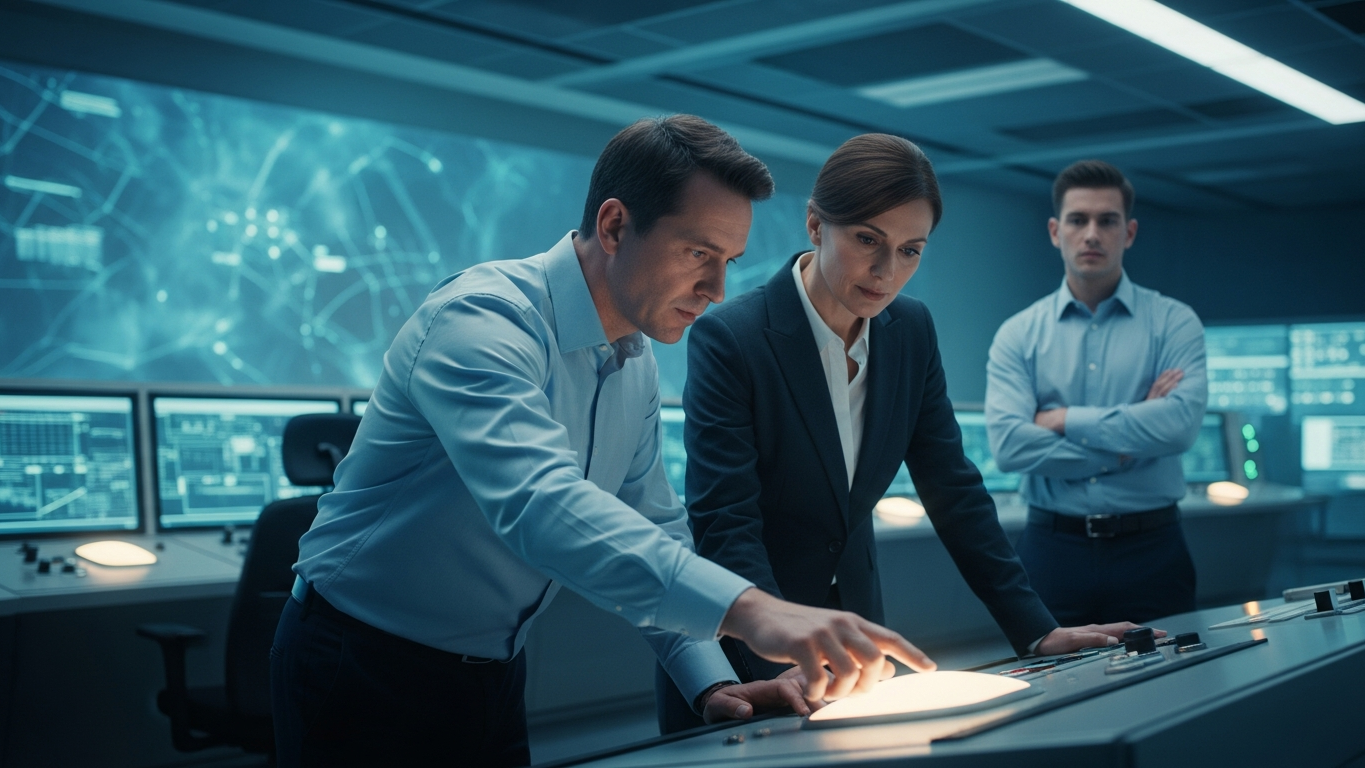
Główny problem: zespoły oscylują między zakazem stosowania AI a zbytnim zaufaniem do niej, ponieważ brakuje im prostej reguły decyzyjnej dla bramek zatwierdzających Główna obietnica: producenci mogą oddzielić pomoc AI o niskim ryzyku od decyzji o wysokich konsekwencjach, korzystając z matrycy zatwierdzania opartej na konsekwencjach, powiązanej z systemami i wydatkami
Ludzkie przyzwolenie nie jest postawą filozoficzną. Jest to kontrola, którą stosuje się tam, gdzie błędy są kosztowne lub nieodwracalne. Produkcja potrzebuje drogi pośredniej: wystarczająco szybkiej, aby można było z niej korzystać, wystarczająco rygorystycznej, aby była bezpieczna, i wystarczająco wyraźnej, aby zachowanie nocnej zmiany odpowiadało intencjom zmiany dziennej.
Wymagaj zatwierdzenia przez człowieka, gdy dane wyjściowe AI mogą zmienić rzeczywistość fizyczną, zobowiązania finansowe, obietnice jakości klienta, systemy bezpieczeństwa, regulowane zapisy lub harmonogramy produkcji bez łatwego wycofania. Zatwierdzenie jest zwykle niepotrzebne, gdy dane wyjściowe mają charakter eksploracyjny, tylko wewnętrzny, są łatwe do zweryfikowania i nie mogą wyzwalać zautomatyzowanych działań ani zobowiązań zewnętrznych. Trybem awaryjnym, którego należy unikać, jest traktowanie obu klas tak samo - albo spowalnianie wszystkiego, albo zbytnie zaufanie do wszystkiego.
Dlaczego proste zasady są lepsze od ogólnych polityk
Ogólne zakazy spowalniają adopcję. Ogólne zaufanie powoduje incydenty. Matryca oparta na konsekwencjach zamienia debaty w klasyfikację: co robimy, co może pójść nie tak i jakiego zapisu potrzebujemy, jeśli ktoś zapyta później?
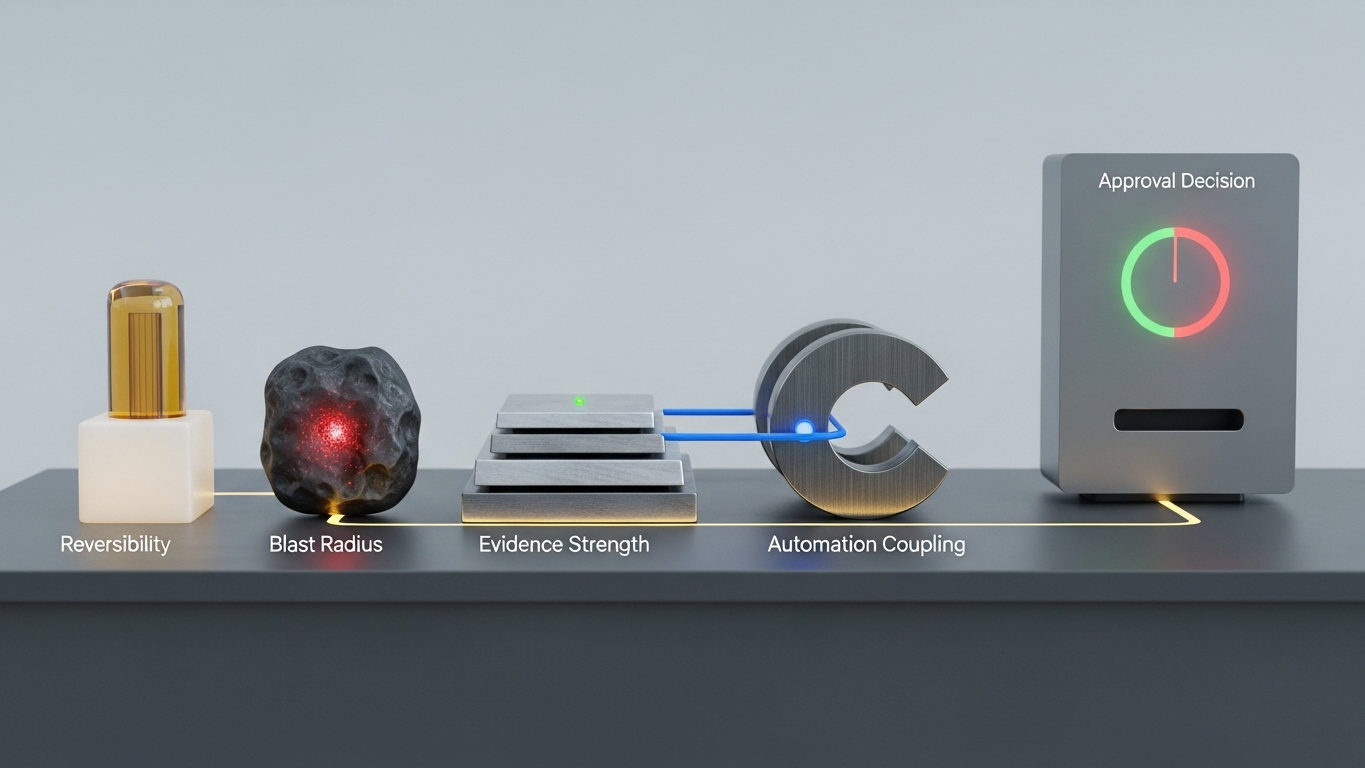
Matryca zatwierdzania: cztery pytania
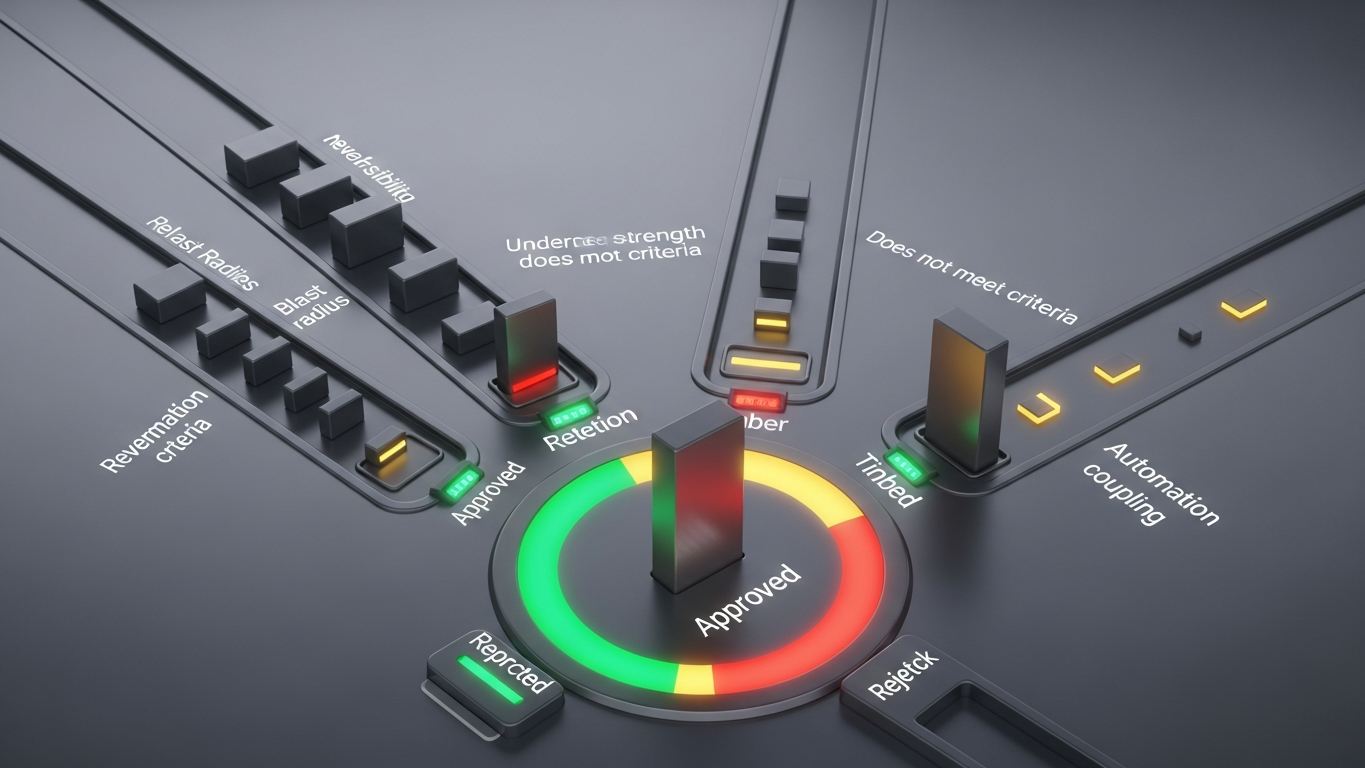
Zapytaj o odwracalność: czy możesz cofnąć efekt w ciągu kilku minut bez szkody dla klienta lub przepisów? Zapytaj o promień rażenia: czy błąd rozprzestrzenia się na linie, lokalizacje lub dostawców? Zapytaj o wymagania dotyczące dowodów: czy audytor zapyta, kto to zatwierdził i dlaczego? Zapytaj o sprzężenie automatyzacji: czy dane wyjściowe zasilają system, który działa bez ponownego spojrzenia? Jeśli odwracalność jest niska, promień wybuchu jest wysoki, zapotrzebowanie na dowody jest wysokie lub sprzężenie automatyzacji jest wysokie, domyślnie należy zatwierdzić.
Przykłady, w których zazwyczaj wymagana jest zgoda
Przypadki o wysokich konsekwencjach często obejmują zmiany w zestawieniach BOM lub decyzje dotyczące zaopatrzenia, które wpływają na koszty lub czas realizacji, instrukcje dotyczące jakości związane z wysyłkami, działania konserwacyjne, które mogą zatrzymać linię lub zagrozić blokadom bezpieczeństwa, aktualizacje certyfikatów skierowanych do klienta lub dokumentacji zgodności oraz zmiany w harmonogramie, które naruszają zobowiązane oczekiwania dotyczące dostaw. Nie są to stanowiska anty-AI. Są to proporcjonalne kontrole.
Przykłady, w których zatwierdzenie jest często opcjonalne
Przypadki o niższych konsekwencjach często obejmują sporządzanie podsumowań spotkań wewnętrznych bez roszczeń operacyjnych, generowanie quizów szkoleniowych z procedur publicznych, burzę mózgów pomysłów na ulepszenia, które nadal wymagają walidacji inżynieryjnej, oraz podsumowanie dokumentu, który człowiek już posiada i ponownie przeczyta. Nawet tutaj dyscyplina ma znaczenie: zespoły powinny nadal unikać przesyłania wrażliwych danych do niewłaściwego środowiska.
Gdzie przemysłowa sztuczna inteligencja powinna ułatwiać zatwierdzanie, a nie być niewidoczna
Dobry projekt przemysłowej sztucznej inteligencji oddziela rekomendacje od wykonywalnych działań, pokazuje fragmenty uzasadnienia i kontekst źródłowy tam, gdzie to możliwe, wspiera recenzentów opartych na rolach i rejestruje decyzje w celu późniejszej rekonstrukcji. Celem jest szybkość z odpowiedzialnością, a nie szybkość bez śladu. Narzędzia typu chat-first zachęcają do improwizacji; narzędzia przemysłowe typu workflow-first kodują tam, gdzie zmienia się świat. Kupujący powinni preferować dostawców, którzy rozumieją tę różnicę.
Intensywność zatwierdzania powinna śledzić wpływ, a nie nagłówki. Vector jest zgodny z tą dyscypliną: przemysłowe rozumowanie w ekosystemie DBR77 z wyraźnymi granicami wdrożenia, brak szkoleń w zakresie danych klienta i przestrzeń do łączenia decyzji o wysokiej stawce z ludzką oceną tam, gdzie matryca mówi, że należy - zamiast traktować każdy wynik jako autonomiczny.
Zatwierdzenie nie polega na braku zaufania do modelu. Chodzi o dopasowanie intensywności kontroli do wpływu. Producenci, którzy publikują jasną matrycę, ograniczają shadow IT i jednocześnie zmniejszają liczbę incydentów.
Roślinny punkt kontrolny
Traktuj "When AI Outputs Need Human Approval and When They Do Not" jako narzędzie decyzyjne, a nie lekturę w tle. Przed następnym spotkaniem kierownictwa poproś o jeden artefakt, który potwierdzi twoją postawę - diagram architektury, fragment polityki szkoleniowej, próbkę dziennika, podpisaną klasyfikację przepływu pracy lub rekord awansu. Jeśli pokój może tylko opowiadać historie, nadal jesteś w stroju pilota. Sztuczna inteligencja w produkcji dojrzewa, gdy dowody stają się rutyną: ta sama dyscyplina, której już oczekujesz przed wydaniem linii, zmianą dostawcy lub poważnym przełączeniem IT. To jest przejście od ekscytacji do infrastruktury - i to jest to, co utrzymuje spójność programów podczas audytów, rotacji i ekspansji w wielu lokalizacjach.
Jeśli przywództwo chce mieć jeden wyraźny nawyk decyzyjny, niech będzie to: określ, co musi być prawdą, zanim rozszerzy się zakres użytkowania, a następnie sprawdź, czy jest to prawdą w ustalonym czasie. W ten sposób zarządzanie przestaje być komfortem narracyjnym i staje się metryką operacyjną, którą zakłady mogą wykonać.
DBR77 Vector obsługuje zarządzane przemysłowe przepływy pracy z wyraźnymi granicami wdrożenia i rozumowaniem zorientowanym na decyzje fabryczne, a nie nieograniczoną autonomię czatu. Zarezerwuj demo lub Poznaj produkty wykorzystujące Vector.