
Kernproblem: Ein einziger gemeinsam genutzter KI-Mandant fühlt sich effizient an, bis eine standortübergreifende Datenvermischung, widersprüchliche Richtlinien oder ein Vorfall eine schmerzhafte Trennung erzwingen Wichtigstes Versprechen: Klare Isolierungsregeln sorgen dafür, dass der Strahlungsradius, die Compliance-Grenzen und die betriebliche Zuständigkeit mit den tatsächlichen Abläufen im Unternehmensnetzwerk übereinstimmen
Isolierung ist keine Paranoia. Es handelt sich um eine Technik mit großem Radius - derselbe Instinkt, der auch die Netzwerkzonierung, getrennte Verwaltungspfade und die sorgfältige Trennung zwischen Test und Produktion vorantreibt. Ein einziger gemeinsam genutzter KI-Mandant kann sich effizient anfühlen, bis eine standortübergreifende Vermischung, widersprüchliche Richtlinien oder eine ernsthafte Überprüfung eine schmerzhafte Trennung erzwingen, die von Anfang an hätte eingeplant werden müssen.
Isolieren Sie AI nach Standort, wenn Werke unter verschiedenen gesetzlichen Regelungen, Datenklassifizierungen oder arbeits- und betriebsrätlichen Beschränkungen arbeiten, die eine Vermischung kostspielig machen. Isolieren Sie nach Geschäftsbereichen, wenn P und L, IP oder Kundenvertraulichkeit in Protokollen und Verwaltungszugängen nicht vermischt werden dürfen. Isolieren Sie nach Arbeitsabläufen, wenn ein hochautomatisierter Pfad die Betätigung oder sicherheitsrelevante Systeme berührt, während andere Arbeitsabläufe analytisch bleiben. Die richtige Einheit der Isolierung entspricht der Einheit des Vertrauens - nicht der Einheit der Beschaffungsbequemlichkeit.
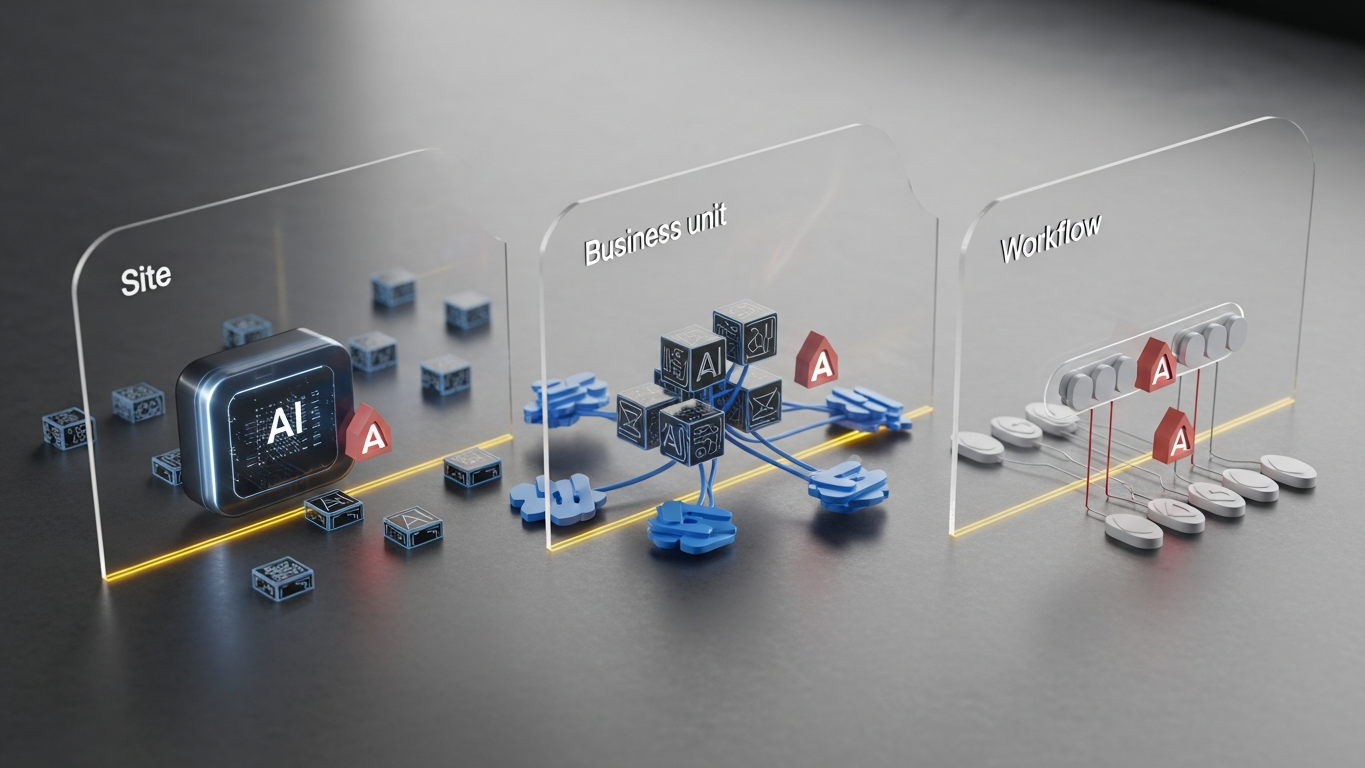
Drei Isoliergläser
Die Klasse der Vorschriften und Daten ist die erste Linse, weil sie am wenigsten verhandelbar ist. Wenn zwei Standorte nicht dieselbe Backup-Zuständigkeit oder Aufbewahrungsregel nutzen können, sollten sie auch nicht denselben KI-Laufzeit-Namensraum nutzen - denn bei einem Vorfall oder einer Audit-Frage spielt es keine Rolle, dass "es bei einem Vertrag billiger war" Kommerzielle und IP-Grenzen bilden die zweite Linse. Wenn Geschäftseinheiten unterschiedliches geistiges Eigentum an Prozessen oder sensible Kundenbeziehungen schützen, führen gemeinsame Inferenzmieter zu unnötigen forensischen Zweifeln nach jedem Leckverdacht: Jeder wird zum Verdächtigen, und die Untersuchung wird nicht nur technisch, sondern auch politisch. Die betriebliche und sicherheitstechnische Kopplung ist der dritte Aspekt. Workflows, die den physischen Zustand beeinflussen können, verdienen härtere Grenzen als die Zusammenfassung interner PDFs - nicht weil Zusammenfassungen harmlos sind, sondern weil der Explosionsradius anders ist, wenn Empfehlungen neben der Ausführung stehen.
Wie der stressige Moment aussieht
Die Gründe für eine Isolierung werden in der Regel nach einer angespannten Woche klar: eine Qualitätseskalation, ein Kundenaudit oder eine Sicherheitsüberprüfung, bei der die unverblümte Frage gestellt wird, wer diese Nutzlast noch gesehen haben könnte und unter welchem Konto? Wenn die ehrliche Antwort lautet: "Wir sind uns nicht sicher", haben Sie den Kampf um die Geschichte bereits verloren. Isolierung bedeutet, die Antwort kurz und sachlich zu halten: begrenzte Populationen, begrenzte Protokolle, begrenzte Verwaltungspfade. Es geht nicht darum, den eigenen Sites zu misstrauen. Es geht darum, die Eigentumsverhältnisse klar genug abzugrenzen, um sie zu verteidigen, wenn Druck entsteht.
Shared Tenancy kann funktionieren, wenn die Datenklassen einheitlich sind, die Richtlinien zentralisiert sind, die Protokollierung mit einer strikten Mandantentrennung erfolgt und kein Arbeitsablauf ohne eine spezielle Genehmigungsebene in die Produktionssysteme schreibt - überprüfen Sie diese Bedingungen schriftlich, nicht als Annahmen. Wenn Sie sie nicht überprüfen können, sollten Sie nicht zulassen, dass Beschaffungsoptimismus die Architektur ersetzt.
Die Plattform muss Bereitstellungsformen anbieten, die diese Domänen respektieren, ohne einen brüchigen globalen Mieter zu erzwingen. Vector unterstützt diese Aufgabe: proprietäre industrielle KI mit lokaler, privater API und isolierten Mustern, Kundendaten, die vom Training des gemeinsamen Modells ausgeschlossen sind, und industrielles Denken, das auf Transformationsarbeit abzielt - damit Isolationsentscheidungen auf der Architektur und nicht auf SaaS-Vorgaben für Verbraucher basieren.
Die Hersteller sollten die Isolationsgranularität auf die gleiche Weise wählen wie die Netzwerkzonen: die Grenze sollte an die Vertrauensdomäne angepasst werden, und innerhalb der Grenze sollte dann mit Disziplin skaliert werden.
Pflanzenkontrollpunkt
Betrachten Sie "When a Manufacturer Should Isolate AI by Site, Business Unit, or Workflow" als Entscheidungshilfe, nicht als Hintergrundlektüre. Bitten Sie vor dem nächsten Lenkungstreffen um ein Artefakt, das Ihre Haltung belegt - ein Architekturdiagramm, einen Auszug aus den Schulungsrichtlinien, ein Protokollmuster, eine unterzeichnete Workflow-Klassifizierung oder ein Beförderungsprotokoll. Wenn der Raum nur Geschichten erzählen kann, befinden Sie sich noch in der Pilotphase. KI in der Fertigung reift, wenn Beweise zur Routine werden: dieselbe Disziplin, die Sie bereits vor einer Produktfreigabe, einem Lieferantenwechsel oder einer größeren IT-Umstellung erwarten. Das ist der Übergang von der Aufregung zur Infrastruktur - und das ist es, was die Programme über Audits, Umsätze und Erweiterungen an mehreren Standorten hinweg kohärent hält.
Wenn die Führung eine klare Entscheidungsgewohnheit wünscht, dann diese: Benennen Sie, was wahr sein muss, bevor die Nutzung ausgeweitet wird, und überprüfen Sie dann in einem festen Rhythmus, ob es wahr ist. Auf diese Weise hört Governance auf, ein erzählerischer Komfort zu sein, und wird zu einer operativen Metrik, die Ihre Betriebe umsetzen können.

DBR77 Vector unterstützt stärkere Bereitstellungsgrenzen, so dass die Isolierungsoptionen mit standortinternen, privaten APIs und isolierten Betriebsmustern an verschiedenen Standorten übereinstimmen. [Überprüfen Sie die Sicherheit] (https://dbr77.com/vector) oder [Erkunden Sie Produkte mit Vector] (https://dbr77.com/demo).