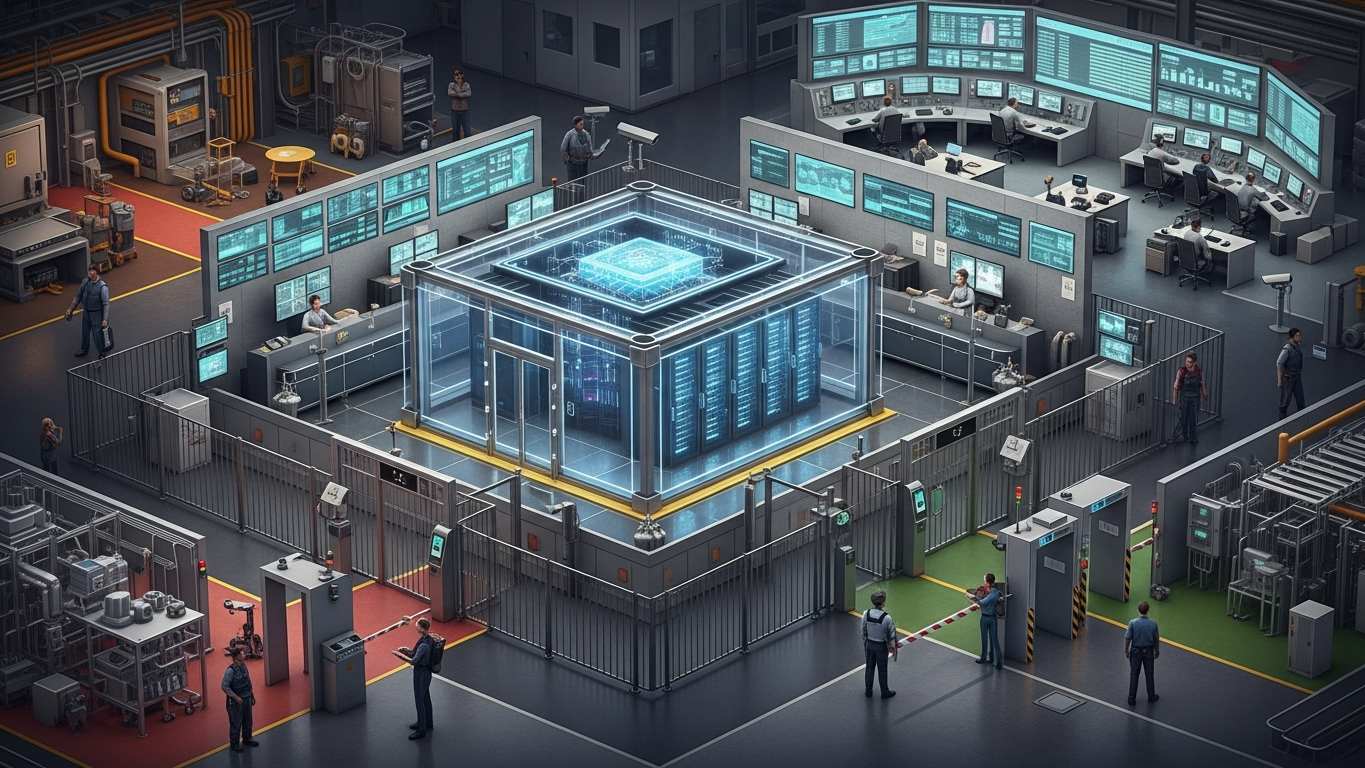
Kernproblem: Teams sprechen von "privater KI", ohne eine gemeinsame Definition dessen zu haben, was die Einsatzgrenze tatsächlich schützt, was bei Pilotprojekten zu falschem Vertrauen führt Das größte Versprechen: Hersteller können eine Bereitstellungsgrenze als eine konkrete Reihe von Kontrollen definieren, die Laufzeitstandort, Datenpfade, Zugriff, Austritt, Aufbewahrung und Integrationsregeln abdecken
"Privat" ist keine Stimmung. Es ist eine Grenze, die Sie der Sicherheit, dem Betrieb und dem Vorstand erklären können, wenn jemand fragt, was live ist, wo die Daten hingingen und wer sie berühren könnte. Die Grenzen einer KI-Implementierung in der Fertigung sollten beinhalten, wo das Modell läuft, welche Netzwerke es erreichen kann, wie Daten ein- und ausgehen, wer darauf zugreifen kann, was protokolliert wird, wie lange Daten aufbewahrt werden, welche Trainings- oder Verbesserungsschleifen erlaubt sind und wie Fabrikintegrationen erfasst und überwacht werden. Wenn eines dieser Elemente undefiniert ist, ist die Grenze unvollständig - und unvollständige Grenzen versagen unter Stress.
Warum Grenzen besser sind als Markenansprüche
Die Käufer hören überlappende Begriffe: Private Cloud, VPC, dedizierte Instanz, Enterprise Tier. Diese Bezeichnungen bedeuten nicht automatisch dieselbe Kontrollhaltung. Eine Grenzdefinition erzwingt Präzision. Sie verhindert auch, dass die Beschaffung Risiken mit Vokabeln "löst".
Der Grenzstapel
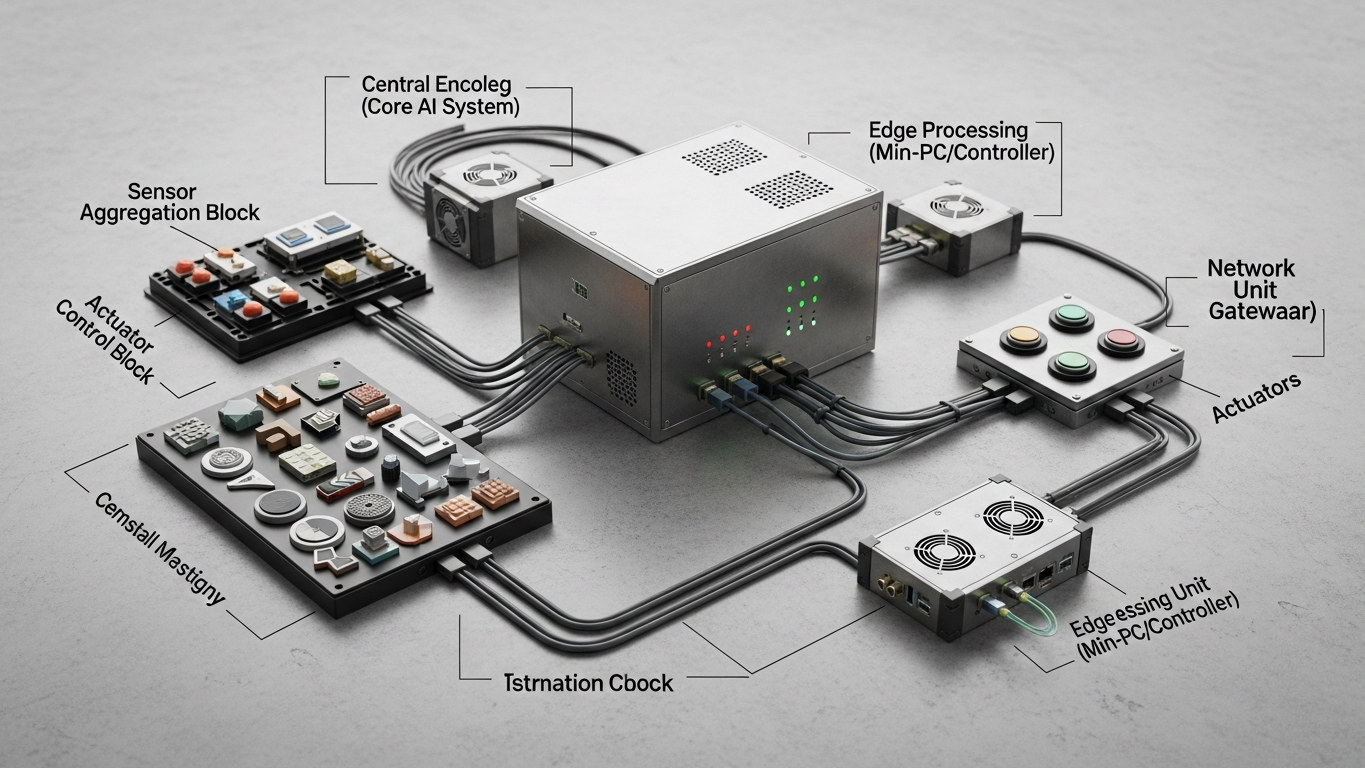
Der Standort für die Laufzeit sollte eindeutig sein: vor Ort, eine vom Kunden kontrollierte private Umgebung, ein vom Anbieter verwalteter Mieter mit vertraglicher Isolierung oder ein anderes angegebenes Muster. Die Netzwerkreichweite sollte erlaubte und verweigerte Konnektivität definieren, einschließlich ausgehender Pfade und OT/IT-Trennungserwartungen. Ein- und ausgehende Datenpfade sollten dokumentieren, was Benutzer und Systeme senden können, ob Anhänge oder Webhooks die Grenze verlassen und wie Geheimnisse gehandhabt werden - der Zugang ist der Punkt, an dem viele "private" Geschichten insgeheim schwächeln.
Die Identitäts- und Zugriffskontrolle sollte SSO- und MFA-Erwartungen, eine Rollentrennung zwischen Administratoren und Operatoren sowie Break-Glass-Verfahren umfassen. Protokollierung, Überwachung und Aufbewahrung sollten festlegen, welche Ereignisse protokolliert werden, wer Protokolle lesen darf, Aufbewahrungszeiträume und Export in SIEM. In den Richtlinien zur Schulung und Modellverbesserung sollte festgelegt werden, ob Kundenaufforderungen oder Dokumente für die Verbesserung des Anbietermodells verwendet werden können, ob die Feinabstimmung nur innerhalb der Kundenumgebung erfolgt und wie die Evaluierungsdaten von der Produktion getrennt werden.
Für APIs, die mit MES, ERP, QMS oder Ticketing verbunden sind, sollten die Integrationsbereiche der Fabrik explizit festgelegt werden: Bereiche mit den geringsten Rechten, Änderungskontrolle und Trennung von Test und Produktion.
Schwache Sprache versus starke Sprache
Schwache Formulierungen klingen wie "wir nehmen Sicherheit ernst", "unternehmenstauglich" und "Ihre Daten sind geschützt" Starke Formulierungen klingen wie "Kundendaten trainieren das Modell nicht", "kein Pfad für ausgehende Daten mit Ausnahme von benannten Ausnahmen" und "Protokolle werden für einen bestimmten Zeitraum aufbewahrt und können in ein bestimmtes Format exportiert werden" Einkäufer sollten die zweite Klasse bevorzugen, da sie getestet werden kann.
Verwandeln Sie bei der Beschaffung den Boundary Stack in eine Anforderungstabelle. Bewerten Sie Anbieter als unterstützt, unterstützt mit Bedingungen, nicht unterstützt oder nur in der Roadmap. Elemente, die nur in der Roadmap enthalten sind, gehören in Risikoregister, nicht in stille Annahmen.
Der von Ihnen definierte Boundary Stack ist die Art und Weise, wie Sie reale Architektur von Slide-Ware trennen, bevor Geld und Nutzlasten bewegt werden. Vector wird innerhalb des DBR77-Ökosystems mit diesen Begriffen beschrieben: proprietäre industrielle KI, die auf dem Wissen über die Transformation von Fabriken trainiert wurde, mit der Wahlmöglichkeit zwischen Vor-Ort-, privater API- oder isolierter Bereitstellung und der ausdrücklichen Haltung, dass Kundendaten das Modell nicht trainieren.
Eine Einsatzgrenze ist der Vertrag zwischen Ihrem Risikomodell und Ihrer KI-Architektur. Wenn Sie ihn nicht in operativen Begriffen ausdrücken können, sind Sie nicht bereit, die Nutzung über Experimente hinaus zu skalieren.
Pflanzenkontrollpunkt
Betrachten Sie "What an AI Deployment Boundary Should Include in Manufacturing" als Entscheidungshilfe, nicht als Hintergrundlektüre. Bitten Sie vor dem nächsten Lenkungstreffen um ein Artefakt, das Ihre Haltung belegt - ein Architekturdiagramm, einen Auszug aus den Schulungsrichtlinien, ein Protokollmuster, eine unterzeichnete Workflow-Klassifizierung oder ein Beförderungsprotokoll. Wenn der Raum nur Geschichten erzählen kann, befinden Sie sich noch in der Pilotphase. KI in der Fertigung reift, wenn Beweise zur Routine werden: dieselbe Disziplin, die Sie bereits vor einer Produktfreigabe, einem Lieferantenwechsel oder einer größeren IT-Umstellung erwarten. Das ist der Übergang von der Aufregung zur Infrastruktur - und das ist es, was die Programme über Audits, Umsätze und Erweiterungen an mehreren Standorten hinweg kohärent hält.
Wenn die Führung eine klare Entscheidungsgewohnheit wünscht, dann diese: Benennen Sie, was wahr sein muss, bevor die Nutzung ausgeweitet wird, und überprüfen Sie dann in einem festen Rhythmus, ob es wahr ist. Auf diese Weise hört Governance auf, ein erzählerischer Komfort zu sein, und wird zu einer operativen Metrik, die Ihre Betriebe umsetzen können.
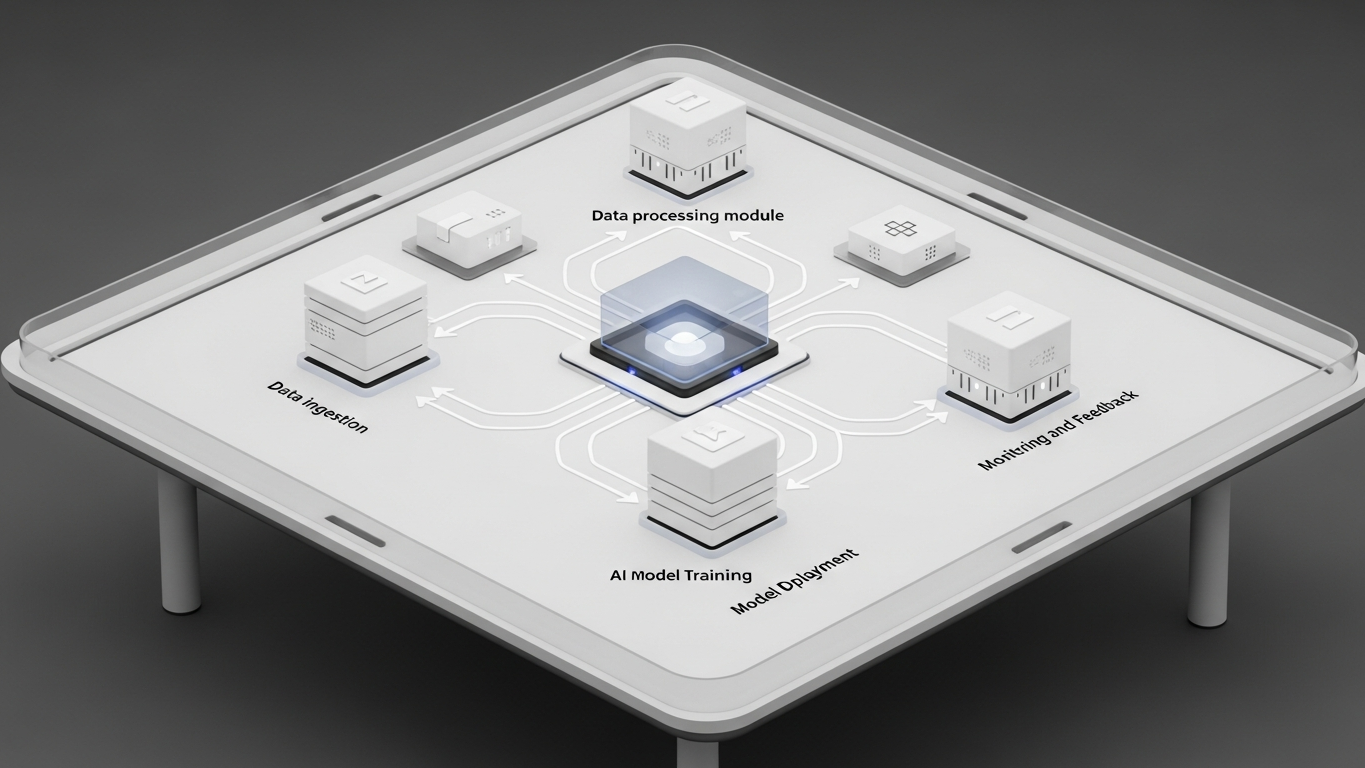
DBR77 Vector wurde für eindeutige industrielle Einsatzgrenzen entwickelt, einschließlich privater und Vor-Ort-Optionen und einer Haltung, bei der keine Client-Daten geschult werden. Produkte mit Vector erkunden oder Sicherheit überprüfen.