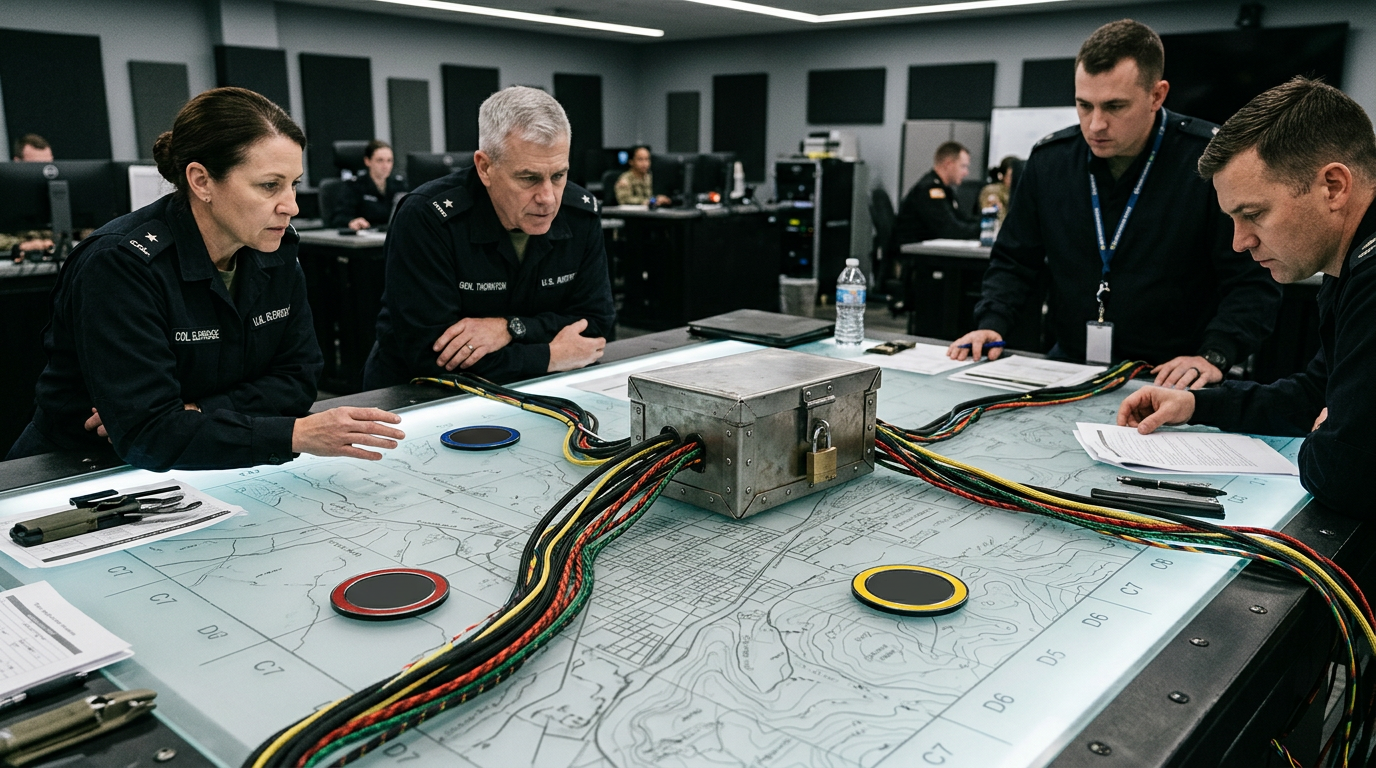
Persona docelowa: Wiceprezes ds. technologii operacyjnych / dyrektor ds. programów korporacyjnych / regionalny lider produkcji Etap lejka: Przyjęcie Główny problem: zespoły w pośpiechu replikują przypadki użycia, podczas gdy każda lokalizacja wymyśla własną historię wdrażania, model tożsamości i sposób rejestrowania Główna obietnica: krótki stos priorytetów standaryzuje to, co musi być identyczne, zanim lokalna adaptacja wniesie wartość dodaną
Przed standaryzacją listy funkcji należy ustandaryzować umowę z rzeczywistością. Wdrożenie przemysłowej sztucznej inteligencji w wielu lokalizacjach powinno najpierw ustandaryzować katalog trybów wdrażania i niepodlegające negocjacjom granice, model tożsamości i dostępu dostosowany do zakładów, przechowywanie dzienników i schemat eksportu audytu, klasyfikację przepływu pracy i szablony zatwierdzania, kontrolę zmian i ścieżkę awansu, rejestr podprocesorów powiązany z konfiguracjami na żywo oraz politykę danych szkoleniowych z dowodem technicznym. Dopiero gdy te elementy będą stabilne, należy ustandaryzować biblioteki monitów lub szczegóły interfejsu użytkownika - które korzystają z lokalnego języka i niuansów procesu. Wspólny szkielet, kontrolowana lokalna skóra: w ten sposób można skalować bez przekształcania każdego zakładu we własną wyspę ryzyka.

Stos standaryzacji od dołu do góry
Granice wdrożenia i danych są na pierwszym miejscu: lokalne, prywatne API, izolowana dzierżawa lub hybrydowe na klasę przepływu pracy - napisane i podpisane, a nie zakładane. Tożsamość i dostęp w następnej kolejności: spójne nazwy ról, zasady podnoszenia uprawnień i dyscyplina break-glass w różnych regionach, chyba że prawo wymusza wyjątek - a wyjątki muszą być zarejestrowane. Dowody i audyt: jeden schemat eksportu, jedna filozofia przechowywania, jeden właściciel uzgodnień, aby audyty nie stały się ćwiczeniem tłumaczeniowym w poszczególnych lokalizacjach. Szablony zarządzania przepływem pracy: wspólna rubryka klasyfikacji ze zlokalizowanymi parametrami, a nie zlokalizowana logika ryzyka. Zmiana i promocja: jedna filozofia rurociągów, nawet jeśli infrastruktura regionalna nieznacznie się różni. Lokalna adaptacja jako ostatnia: szybkie sformułowania, przykłady i integracje ze starszymi systemami, które naprawdę różnią się w zależności od lokalizacji.
Piloci kopiuj-wklej mogą wyglądać na wyrównanych w trzecim miesiącu i dryfować do osiemnastego miesiąca, ponieważ nikt nie ustandaryzował szkieletu. Standaryzacja pierwszych stosów rozprzestrzenia funkcje wolniej - i tworzy możliwą do obrony historię wielu lokalizacji, gdy kierownictwo pyta, co jest aktywne i skąd to wiesz.
Dlaczego "lokalna autonomia" to złe miejsce na start
Zakłady słusznie są dumne ze swoich różnic: wiek sprzętu, umiejętności pracowników, zestaw dostawców i starsze systemy różnią się między sobą. Właśnie dlatego zarządzanie nie może być wymyślane na nowo dla każdej lokalizacji. Lokalna autonomia powinna mieć zastosowanie do podpowiedzi, przykładów i integracji, które naprawdę się różnią - a nie do domyślnych ustawień szkoleniowych, modeli tożsamości lub schematów rejestrowania. Gdy każda witryna wybiera własne słownictwo graniczne, bezpieczeństwo przedsiębiorstwa nie może skalować przeglądów, zamówienia nie mogą uczciwie porównywać dostawców, a audyty zamieniają się w archeologię. Standaryzacja nie jest centralizacją samą w sobie; jest to sposób na zachowanie lokalnych niuansów bez utraty kontroli nad przedsiębiorstwem.
Go/no-go przed lokalizacją N+1: porównywalny eksport audytów między lokalizacjami; klasy przepływu pracy są zgodne w różnych lokalizacjach dla tej samej rodziny procesów; podręczniki incydentów odwołują się do tego samego drzewa eskalacji; liczby wyjątków dla lokalizacji są widoczne na jednym pulpicie nawigacyjnym.
Sześciowarstwowy stos zawodzi, jeśli każda lokalizacja tworzy własne słownictwo graniczne i drabinę awansów. Vector jest przeznaczony przede wszystkim dla szkieletów wielozakładowych: zastrzeżona przemysłowa sztuczna inteligencja z wzorcami wdrażania, które można opisać raz i replikować, dane klienta niewykorzystywane do trenowania modelu, wiedza o transformacji fabryki w warstwie rozumowania zamiast ogólnego czatu - więc tożsamość, rejestrowanie i dyscyplina zmian pozostają wspólne, podczas gdy lokalne przypadki użycia różnią się na górze.
Pierwszym standardem nie jest cecha modelu. To sposób, w jaki udowadniasz, zmieniasz i wyjaśniasz sztuczną inteligencję w ten sam sposób wszędzie, ma znaczenie dla ryzyka. Lokalny smak należy do tego szkieletu, a nie zamiast niego.
Roślinny punkt kontrolny
Traktuj "What a Multi-Site Industrial AI Rollout Should Standardize First" jako narzędzie decyzyjne, a nie lekturę w tle. Przed następnym spotkaniem kierownictwa poproś o jeden artefakt, który potwierdzi twoją postawę - diagram architektury, fragment polityki szkoleniowej, próbkę dziennika, podpisaną klasyfikację przepływu pracy lub rekord awansu. Jeśli pokój może tylko opowiadać historie, nadal jesteś w stroju pilota. Sztuczna inteligencja w produkcji dojrzewa, gdy dowody stają się rutyną: ta sama dyscyplina, której już oczekujesz przed wydaniem linii, zmianą dostawcy lub poważnym przełączeniem IT. To jest przejście od ekscytacji do infrastruktury - i to jest to, co utrzymuje spójność programów podczas audytów, rotacji i ekspansji w wielu lokalizacjach.
Jeśli przywództwo chce mieć jeden wyraźny nawyk decyzyjny, niech będzie to: określ, co musi być prawdą, zanim rozszerzy się zakres użytkowania, a następnie sprawdź, czy jest to prawdą w ustalonym czasie. W ten sposób zarządzanie przestaje być komfortem narracyjnym i staje się metryką operacyjną, którą zakłady mogą wykonać.
DBR77 Vector obsługuje współdzieloną logikę wdrażania i promocji w różnych zakładach, zachowując spójność rozumowania przemysłowego dla stosu DBR77. Zarezerwuj demo lub Poznaj produkty wykorzystujące Vector.