
Core problem: teams often share sensitive operational material with public AI because the workflow feels informal, even though the content carries real strategic value
Main promise: what looks like harmless experimentation can quietly expose the core logic of how a factory operates
Public AI often feels harmless because the interaction is frictionless. Type a prompt. Upload a file. Ask for a cleaner version. The interface is friendly, the feedback is immediate, and the task rarely looks like “security work.” In manufacturing, that friendliness is precisely what makes the risk easy to miss: the uploaded material can carry far more value than the user realizes, and the boundary crossed is not always visible until later—when someone asks how a decision was supported, or when leadership realizes operational intelligence has been living outside the control model the plant depends on.
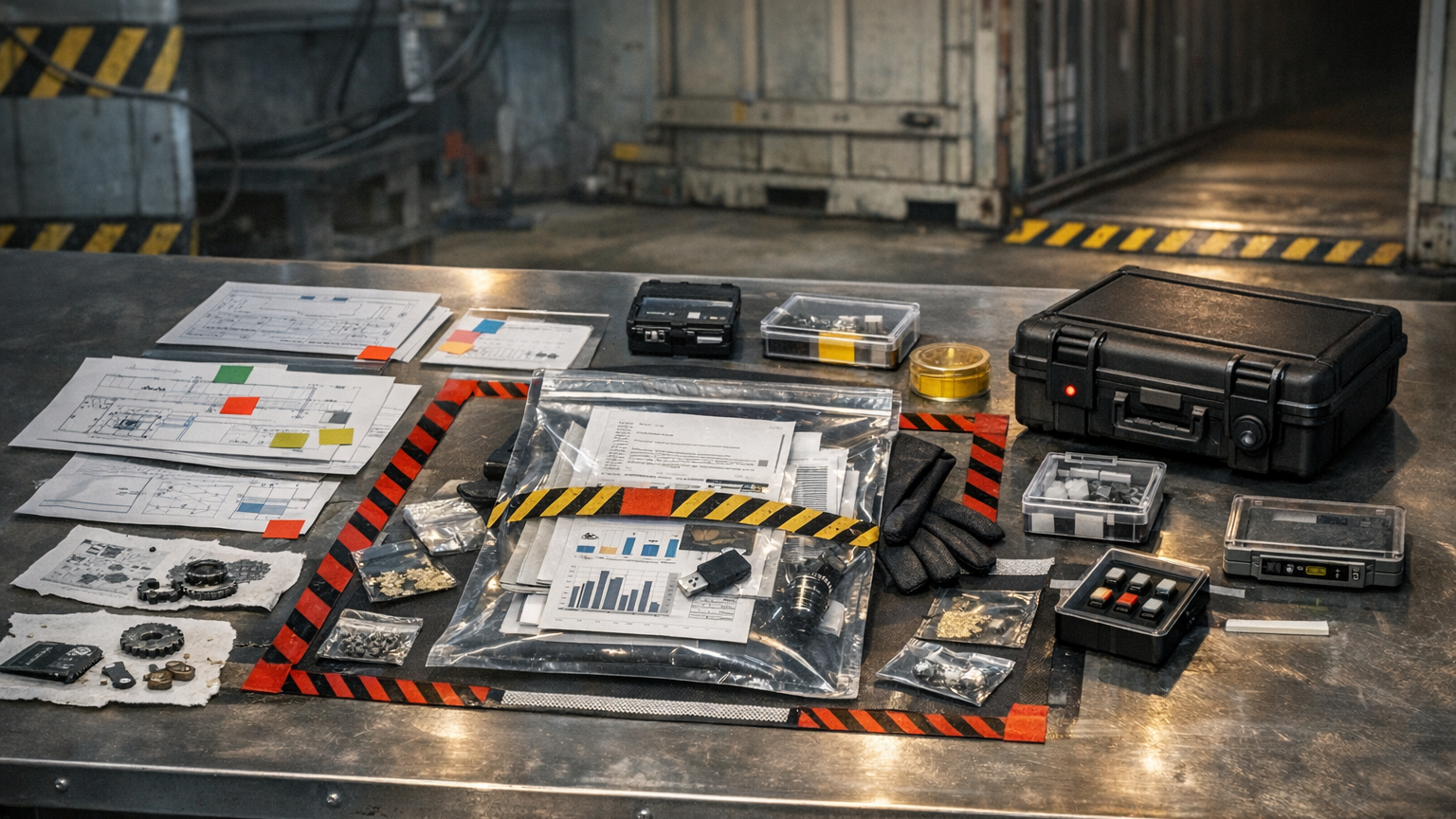
Industrial teams do not only upload text. They upload layouts, cost models, process notes, line assumptions, supplier comparisons, and improvement ideas. Seen separately, each artifact may look routine. Seen together, they can reveal how the factory thinks: where constraints bind, where margin pressure concentrates, how problems are diagnosed, and what the organization believes is worth fixing next. That is strategic material, even when no single file looks dramatic on its own.
Why this is a bigger risk than it seems
The exposure is not only about one document. It is about accumulated operational intelligence. A public AI workflow can gradually absorb patterns about how the plant is configured, where bottlenecks sit, how decisions are made, and where leadership is willing to spend attention and capital. The user may not notice that a control boundary has changed because the workflow feels casual. The consequence is not casual.
Why manufacturing know-how is especially sensitive
Process know-how is not just documentation. It is applied advantage: the way a company estimates, sequences, improves, or responds to problems. That is exactly why uploading this material to public AI deserves stronger scrutiny than “we needed a faster summary.” Speed without boundaries is how competitive logic leaves the perimeter.
What companies should do instead
Manufacturers should create a clearer rule set for AI use with sensitive layouts, cost logic, process descriptions, supplier-sensitive files, and internal improvement material. The key is not banning AI. The key is matching the deployment model to the consequence level of the information—and teaching teams what “consequence level” means in practice, with examples that fit your plant vocabulary.
For high-consequence industrial material, buyers should prefer AI environments with private deployment options, no training on client data, stronger access control, auditability, and human approval. That is the responsible path for industrial intelligence: not maximum openness, but controlled openness with evidence.
Quick self-check before upload: would you be comfortable if this file’s key insights were summarized for an outsider? If not, public tooling is the wrong route.
DBR77 Vector is positioned for manufacturers that need a safer way to work with industrial knowledge through private deployment options, stronger governance expectations, industrial reasoning, and no training on client data.
Uploading layouts, costs, and process know-how to public AI may feel efficient in the moment. The hidden risk is that the company is moving valuable operational intelligence outside the level of control it actually needs—and training habits that are hard to unwind once productivity depends on them.
Plant checkpoint
Treat “The Hidden Risk of Uploading Layouts, Costs, and Process Know-How to Public AI” as a decision tool, not background reading. Before the next steering meeting, ask for one artifact that proves your posture—an architecture diagram, a training-policy excerpt, a log sample, a signed workflow classification, or a promotion record. If the room can only tell stories, you are still in pilot clothing. Manufacturing AI matures when evidence becomes routine: the same discipline you already expect before a line release, a supplier change, or a major IT cutover. That is the shift from excitement to infrastructure—and it is what keeps programs coherent across audits, turnover, and multi-site expansion.
If leadership wants one crisp decision habit, make it this: name what must be true before usage expands, then review whether it is true on a fixed cadence. That is how governance stops being a narrative comfort and becomes an operating metric your plants can execute.

DBR77 Vector helps manufacturers use AI with sensitive industrial know-how inside a more controlled deployment and governance model. Review security or Explore products using Vector.