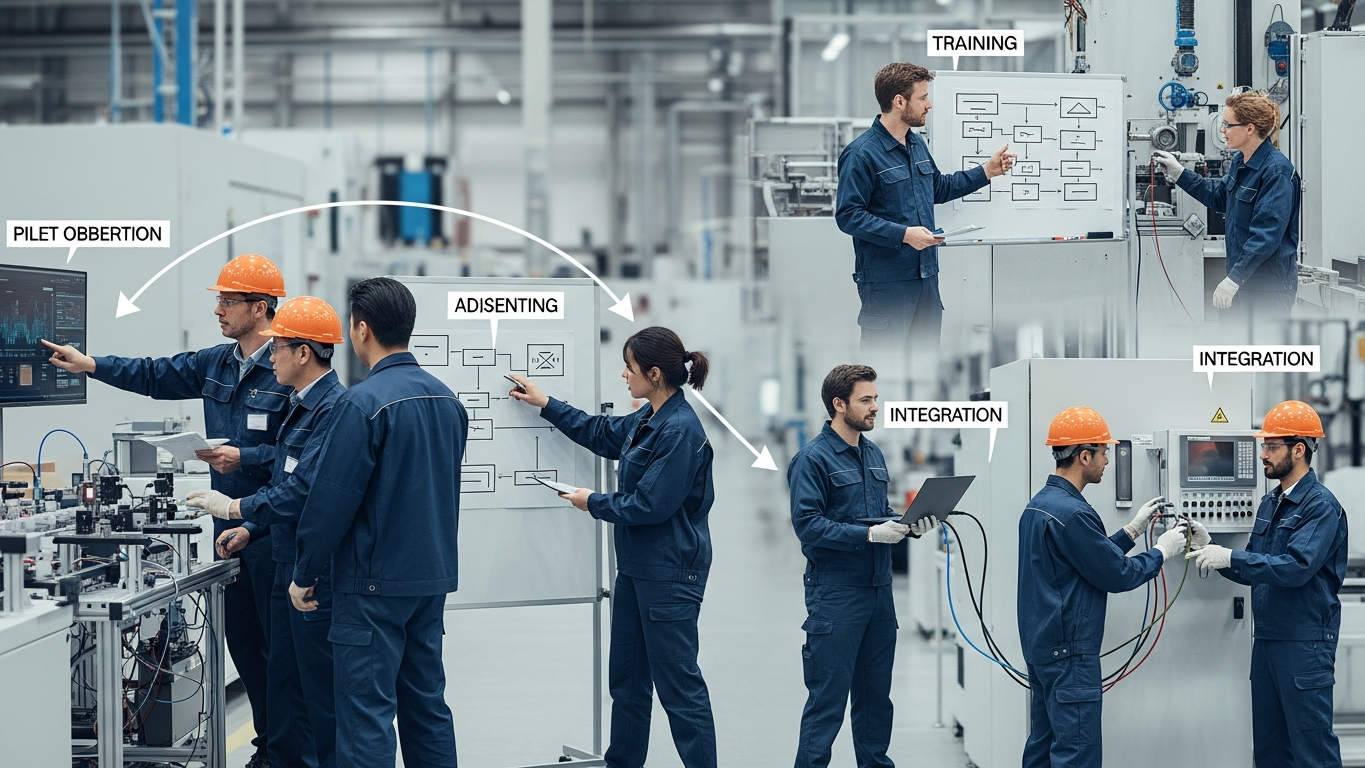
Kernproblem: Erfolgreiche KI-Pilotprojekte werden nur selten zu wiederholbaren Operationen, weil nach dem ersten Erfolg die Verantwortung, die Messgrößen und die Governance-Kadenz nicht festgelegt sind Hauptversprechen: Hersteller können sichere industrielle KI durch definierte Rollen, vierteljährliche Risikoprüfungen, Anbieterkontrollen, Schulungsstandards und Regeln für den Integrationslebenszyklus institutionalisieren
Ein sicheres Pilotprojekt ist ein Ereignis. Eine Fähigkeit ist ein System, das über Jahre hinweg verlässliche Ergebnisse liefert - nachdem Champions umziehen, Anbieter ihre Bedingungen aktualisieren und ein zweiter Standort hinzukommt, ohne dass das Regelwerk von Grund auf neu geschrieben werden muss.
Verwandeln Sie sichere industrielle KI in eine wiederholbare Fähigkeit, indem Sie einen einzigen Verantwortlichen zuweisen, einen Standardeinführungskatalog veröffentlichen, vierteljährliche Überprüfungen der Grenzen und Schulungsrichtlinien durchführen, Integrationsregister führen, Mitarbeiter in zulässigen Arbeitsabläufen schulen und Erweiterungen an messbare betriebliche KPIs mit schriftlichen Stoppregeln binden. Wenn diese Betriebsabläufe nicht vorhanden sind, wird das Unternehmen auf Ad-hoc-Tools zurückgreifen - und Ad-hoc-Tools überleben keine Audits, keine Fluktuation und keinen standortübergreifenden Einsatz.

Warum Wiederholbarkeit schwieriger ist als der erste Sieg
Der erste Erfolg hängt oft von einem kleinen Heldenteam ab. Der Umfang hängt von langweiligen Systemen ab: Eigenverantwortung, Kadenz, Dokumentation und Ausrichtung der Beschaffung. Helden sind wertvoll, aber sie sind kein Ersatz für ein Fähigkeitsmodell - denn Helden machen Urlaub, wechseln ihre Rolle und können nicht geklont werden.
Betriebsmodell: fünf Säulen
Verantwortlichkeit und Forum: Benennen Sie einen Verantwortlichen für die Ergebnisse, einen technischen Verantwortlichen für die Architektur und einen Sicherheitsverantwortlichen für die Kontrollüberprüfung. Führen Sie ein monatliches Betriebsforum und eine vierteljährliche Risikoprüfung durch, damit Abweichungen aufgefangen werden, bevor sie zur Folklore werden.
Standardbereitstellungskatalog: Dokumentieren Sie genehmigte Modi - vor Ort, private API, isolierter Mieter - und verlangen Sie von neuen Projekten, dass sie aus dem Katalog ausgewählt werden oder eine Ausnahme begründen. Kataloge verhindern, dass sich "spezielle" Architekturen unsichtbar vermehren.
Anbieter- und Vertragshygiene: Führen Sie eine fortlaufende Aufzeichnung der Schulungsrichtlinien pro Anbieter, Unterauftragsverarbeiter, Datenaufbewahrung und SLAs für Zwischenfälle. Verlängerungen sollten Richtlinienänderungen auslösen, keine passive Verlängerung.
Lebenszyklus der Integration: Behandeln Sie Integrationen wie Software-Releases - Umgebungen, Änderungskontrolle, Rollback, Überwachungs-Dashboards. KI ändert sich oft, die Integrationsdisziplin sollte es nicht.
Mitarbeiterschulungen und Leitfäden für die zulässige Nutzung: Veröffentlichen Sie kurze, praktische Anleitungen dazu, was wo eingefügt werden darf, welche Systeme Genehmigungspfade benötigen und wie mutmaßliche Richtlinienverstöße eskaliert werden können. Schulungen sind besser als Richtlinien-PDFs, die niemand liest.
Metriken, die die Fähigkeit ehrlich halten
Verfolgen Sie eine kleine Anzahl von Vorfällen, die mit KI-Workflows verknüpft sind, die Zeit zur Rekonstruktion von Entscheidungen anhand von Protokollen, den Prozentsatz der Workloads, die in genehmigten Bereitstellungsmodi ausgeführt werden, und die Anzahl der Integrationen mit dokumentierten Eigentümern. Metriken verwandeln "wir sind vorsichtig" in "wir zahlen für die Reibung, die wir gewählt haben" - und sie ermöglichen Verbesserungen.
Wiederholbare Fähigkeiten benötigen eine stabile Plattform: dieselben Säulen, Metriken und Eigentümer überleben Personalwechsel nur, wenn sich die Intelligenzschicht wie eine gemeinsame Infrastruktur verhält. Vector passt zu diesem Betriebsmodell im DBR77-Ökosystem: proprietäre industrielle KI mit Einsatzgrenzen, die Sie über Standorte hinweg standardisieren können, Kundendaten, die vom Modelltraining ausgeschlossen sind, und Überlegungen, die auf die Transformation der Produktion und nicht auf Ad-hoc-Chat-Sitzungen abzielen.
Sichere industrielle KI wird wiederholbar, wenn sie wie jedes andere kritische Anlagensystem behandelt wird: Eigentum, Messung, Überprüfung und Schulung. Die Technologie ist notwendig. Entscheidend ist das Betriebssystem, das sie umgibt.
Pflanzenkontrollpunkt
Betrachten Sie "How to Turn Secure Industrial AI Into a Repeatable Operating Capability" als Entscheidungshilfe, nicht als Hintergrundlektüre. Bitten Sie vor dem nächsten Lenkungstreffen um ein Artefakt, das Ihre Haltung beweist - ein Architekturdiagramm, einen Auszug aus einer Schulungsrichtlinie, ein Protokollmuster, eine unterzeichnete Workflow-Klassifizierung oder eine Beförderungsurkunde. Wenn der Raum nur Geschichten erzählen kann, befinden Sie sich noch in der Pilotphase. KI in der Fertigung reift, wenn Beweise zur Routine werden: dieselbe Disziplin, die Sie bereits vor einer Produktfreigabe, einem Lieferantenwechsel oder einer größeren IT-Umstellung erwarten. Das ist der Übergang von der Aufregung zur Infrastruktur - und das ist es, was die Programme über Audits, Umsätze und Erweiterungen an mehreren Standorten hinweg kohärent hält.
Wenn die Führung eine klare Entscheidungsgewohnheit wünscht, dann diese: Benennen Sie, was wahr sein muss, bevor die Nutzung ausgeweitet wird, und überprüfen Sie dann in einem festen Rhythmus, ob es wahr ist. Auf diese Weise hört Governance auf, ein erzählerischer Komfort zu sein, und wird zu einer operativen Metrik, die Ihre Betriebe umsetzen können.
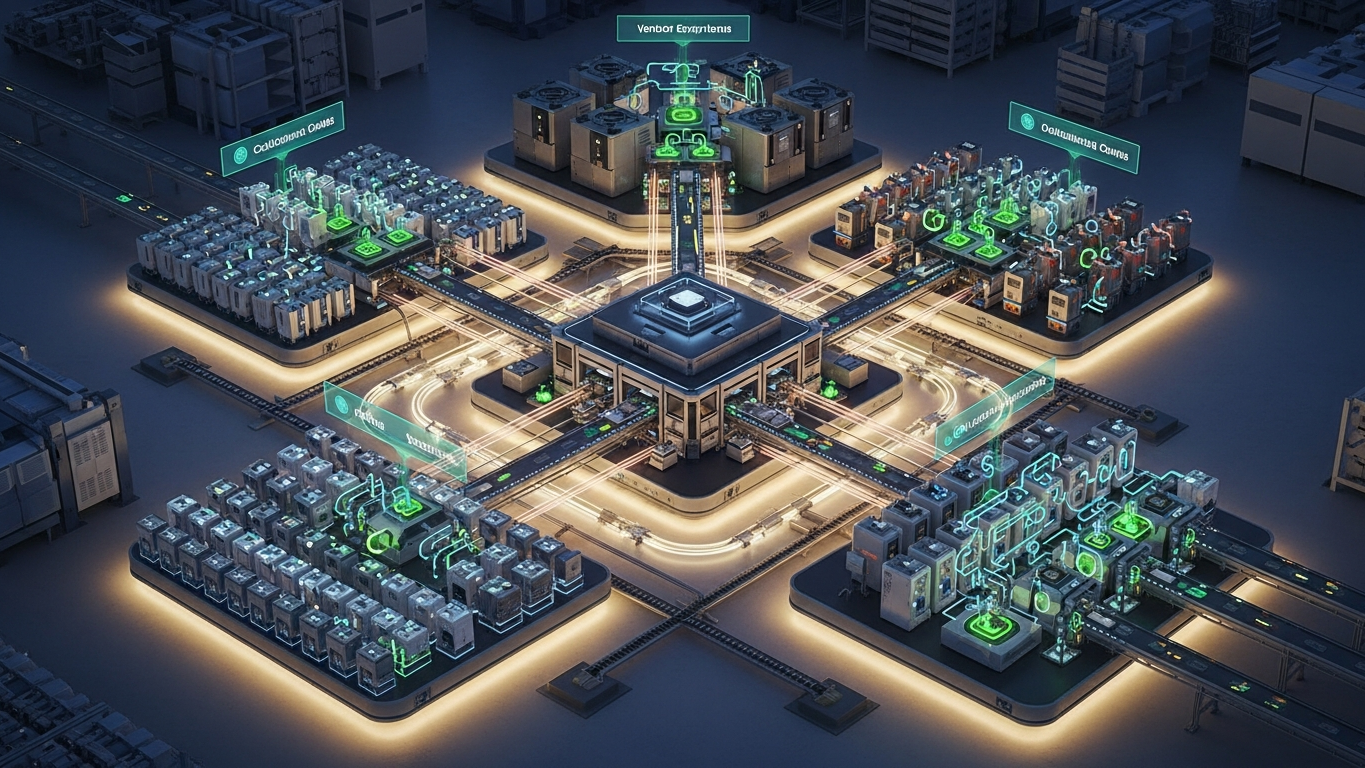
DBR77 Vector bietet eine standardisierte industrielle KI-Ebene im gesamten DBR77-Ökosystem ohne Einsatzgrenzen und ohne Kundendatenschulung, geeignet für den Aufbau von Fähigkeiten an mehreren Standorten. Entdecken Sie Produkte mit Vector oder Buchen Sie eine Demo.