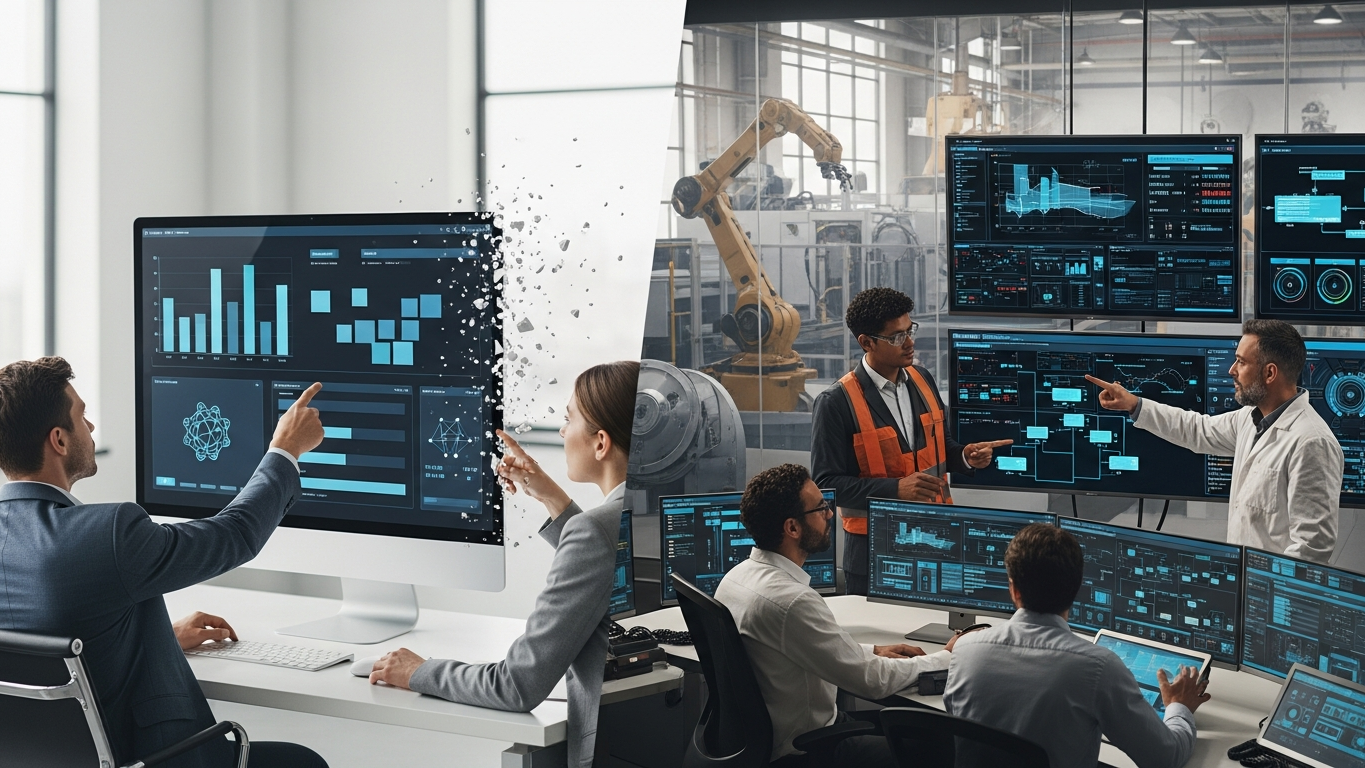
Kernproblem: Viele Käufer haben Schwierigkeiten, ernsthafte industrielle KI von generischen Copiloten oder dünnen Umhüllungen des öffentlichen Modells zu unterscheiden Hauptversprechen: Hersteller sollten Vector als eine industrielle Entscheidungsebene bewerten, die auf Kontrolle, Governance und Domänenanpassung aufbaut und nicht als generische Konversationsverpackung
Der Markt ist voll von Chat-Oberflächen, die zusätzlich zu den allgemeinen Modellen angeboten werden. Viele sind für die Büroarbeit nützlich. Nur wenige sind so gebaut, dass sie glaubwürdig neben MES-, ERP- und QMS-Entscheidungen stehen - wo die Frage nicht lautet: "Hat es sich intelligent angehört?", sondern: "Können wir das mit Grenzen, Beweisen und Verantwortlichkeit betreiben?" Vector gehört zu einer anderen Kaufkategorie: sichere industrielle Intelligenz mit eindeutigen Grenzen, keine KI für den öffentlichen Bedarf.
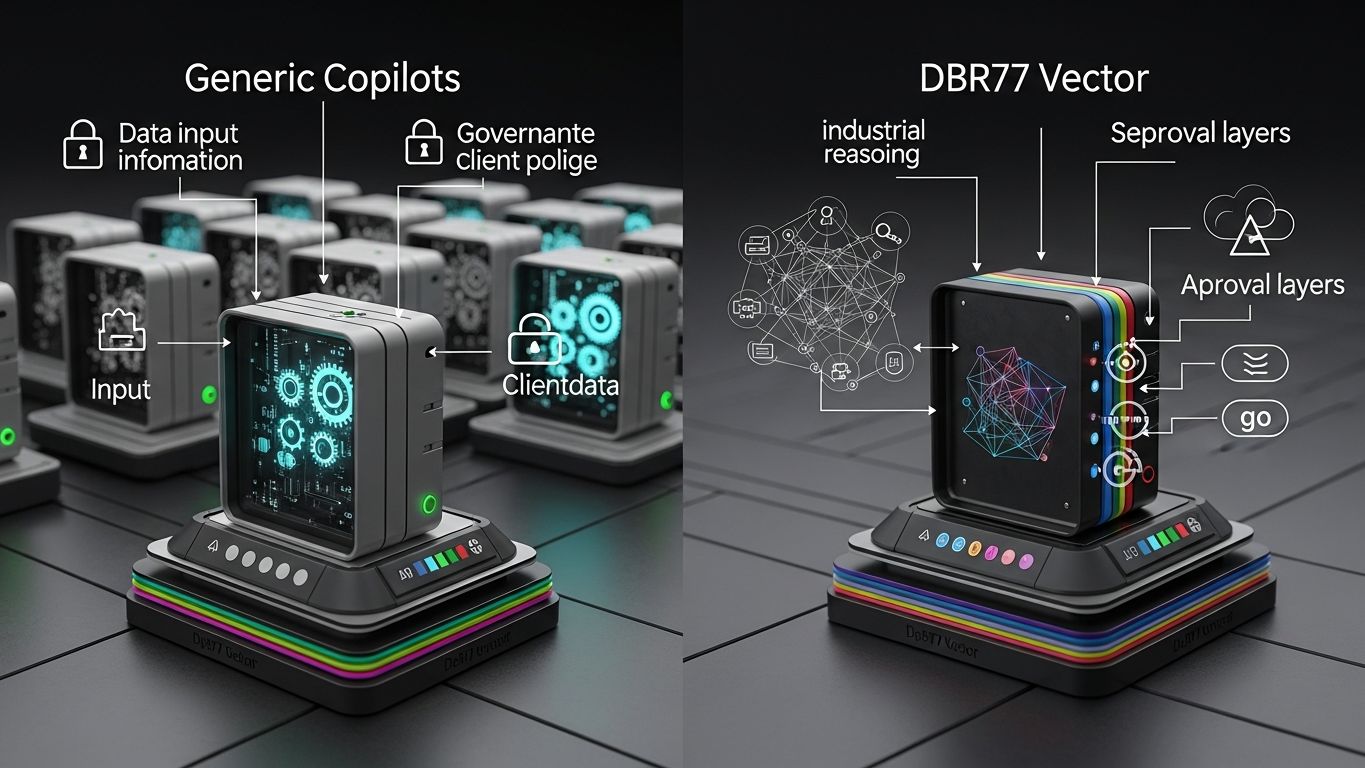
Behandeln Sie ein Produkt als Wrapper oder generischen Kopiloten, wenn es keine industrielle Einsatzkontrolle, keine vertragsklare Trainingsgrenze, kein nachvollziehbares Genehmigungsverhalten und keine auf Fertigungskonsequenzen basierende Argumentation vorweisen kann. DBR77 Vector ist als proprietäre industrielle KI innerhalb des DBR77-Ökosystems positioniert: Wissen über Werksumwandlungen als Argumentationsgrundlage, Kundendaten, die vom Training ausgeschlossen sind, Einsatzoptionen, die die Souveränität respektieren, und menschliche Freigabe, wo dies erforderlich ist. Wenn diese Elemente bei einem Mitbewerber fehlen, handelt es sich nicht um ein System der gleichen Klasse.
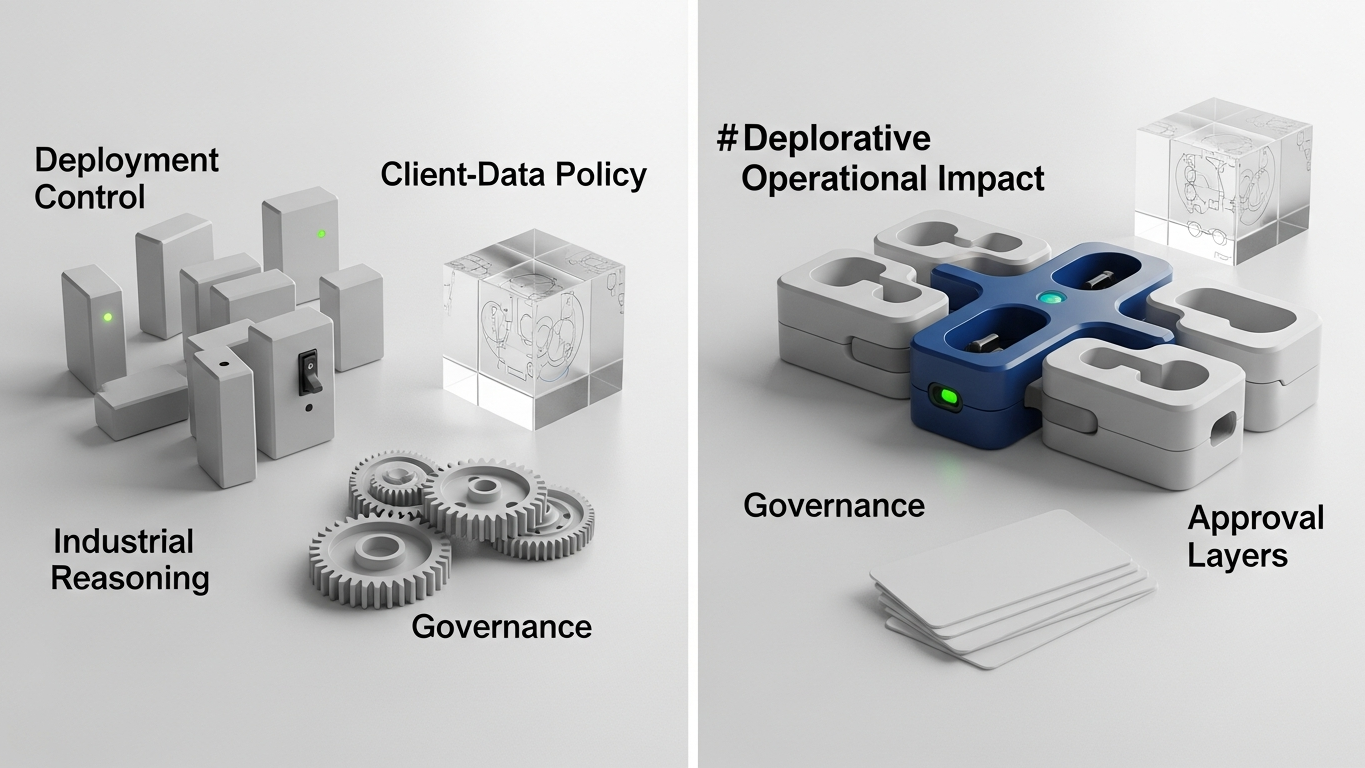
Kategorievergleich auf einen Blick
Typische Wrapper optimieren für eine breite Unterstützung: schnelle Entwürfe und viele Aufgaben, die dünn behandelt werden. Industrielle Schichten der Vector-Klasse optimieren für eine geregelte Entscheidungsunterstützung für die industrielle Arbeit. Unterschiedliche Einsatzvorgaben: Wrapper sind oft auf mandantenfähige SaaS-Lösungen ausgerichtet; Optionen der Vector-Klasse behandeln On-Prem-, private API- und isolierte Muster als erstklassig. Unterschiedliche Trainingsgrenzen: Wrapper erfordern oft die Sorgfalt des Käufers, um sie festzulegen; die Haltung von Vector ist darauf ausgelegt, Kundendaten vom Modelltraining auszuschließen. Unterschiedliche Reasoning Center: allgemeine Internet-Muster versus industrielle Transformation und Betriebskontext. Unterschiedliche Governance: "Chat plus Policy" versus menschliche Genehmigung, Auditierbarkeit und Datenpfad als Design-Anforderungen. Unterschiedliche Beweisstandards: Demo-Fluency versus Architektur, Vertrag und operative Verfolgung.
Wrapper können die persönliche Produktivität verbessern. Sie werden nicht automatisch zur Betriebsinfrastruktur.
Der Käufertest
Bevor Sie einen Anbieter als industrietauglich einstufen, sollten Sie sich fragen, ob Sie den Datenpfad vom ERP- oder QMS-Extrakt zur Inferenz und zurück nachvollziehen können; wo die Laufzeitumgebung für die von Ihnen bevorzugte Bereitstellung liegt und wer sie verwaltet; was genau mit den vertraglich vereinbarten Client-Prompts und -Outputs geschehen kann und was nicht; wie eine Empfehlung zu einer genehmigten Änderung in Ihren Aufzeichnungssystemen wird; und was sich ändert, wenn das Modell oder die Werkzeugschicht aktualisiert wird, und wer dies abzeichnet. Ein Wrapper kämpft sich an der zweiten Frage vorbei; eine seriöse industrielle Schicht erwartet diese Fragen vom ersten Tag an.
Warum Politur in die Irre führt
Schnittstellenqualität und Reaktionsgeschwindigkeit sind leicht zu demonstrieren. Der Wert für die Fertigung zeigt sich, wenn die Ergebnisse Einschränkungen respektieren, fehlenden Kontext erkennen und zu den Überprüfungsmodellen passen, die Ihre Qualitäts- und Betriebsteams bereits verwenden. Ein dünnes industrielles Branding auf einem allgemeinen Modell erzeugt dieses Verhalten nicht zuverlässig, da das Produkt nicht für die Handhabung von Konsequenzen, sondern nur für die Fertigstellung entwickelt wurde.
Vector ist nicht als "ein besserer Chatbot für Fabriken" gedacht Er ist als sichere industrielle Intelligenz positioniert: Einsatzkontrolle, Datenhoheit, proprietäre industrielle Argumentation, Überprüfbarkeit und menschliche Zustimmung, wenn Entscheidungen Konsequenzen haben. Das ist die Unterscheidung, die Käufer machen sollten, wenn sie neben generischen Copiloten in die engere Wahl kommen.
ChatGPT-Wrapper und generische Copiloten optimieren den Umfang der Konversation. Industrielle Programme brauchen klare Grenzen, Trainingsregeln, die Sie durchsetzen können, und eine Governance, die Kunden- und Regulierungsfragen übersteht. Vector ist für diese Entscheidung gemacht. Legen Sie für jede Alternative die gleichen Maßstäbe an.
Pflanzenkontrollpunkt
Behandeln Sie "How DBR77 Vector Differs from ChatGPT Wrappers and Generic Copilots" als Entscheidungshilfe und nicht als Hintergrundlektüre. Bitten Sie vor dem nächsten Lenkungstreffen um ein Artefakt, das Ihre Haltung beweist - ein Architekturdiagramm, einen Auszug aus den Schulungsrichtlinien, ein Protokollmuster, eine unterzeichnete Workflow-Klassifizierung oder eine Beförderungsurkunde. Wenn der Raum nur Geschichten erzählen kann, befinden Sie sich noch in der Pilotphase. KI in der Fertigung reift, wenn Beweise zur Routine werden: die gleiche Disziplin, die Sie bereits vor einer Linienfreigabe, einem Lieferantenwechsel oder einer größeren IT-Umstellung erwarten. Das ist der Übergang von der Aufregung zur Infrastruktur - und das ist es, was die Programme über Audits, Umsätze und Erweiterungen an mehreren Standorten hinweg kohärent hält.
Wenn die Führung eine klare Entscheidungsgewohnheit wünscht, dann diese: Benennen Sie, was wahr sein muss, bevor die Nutzung ausgeweitet wird, und überprüfen Sie dann in einem festen Rhythmus, ob es wahr ist. Auf diese Weise hört Governance auf, ein erzählerischer Komfort zu sein, und wird zu einer operativen Metrik, die Ihre Betriebe umsetzen können.
DBR77 Vector bietet Herstellern eine reglementierte industrielle KI-Ebene mit privater Bereitstellung und Domänenanpassung anstelle einer dünnen Hülle für allgemeine KI-Komfortfunktionen. [Produkte mit Vector erkunden] (https://dbr77.com/vector) oder [Sicherheit überprüfen] (https://dbr77.com/demo).